 CALL US: +91-8657407598


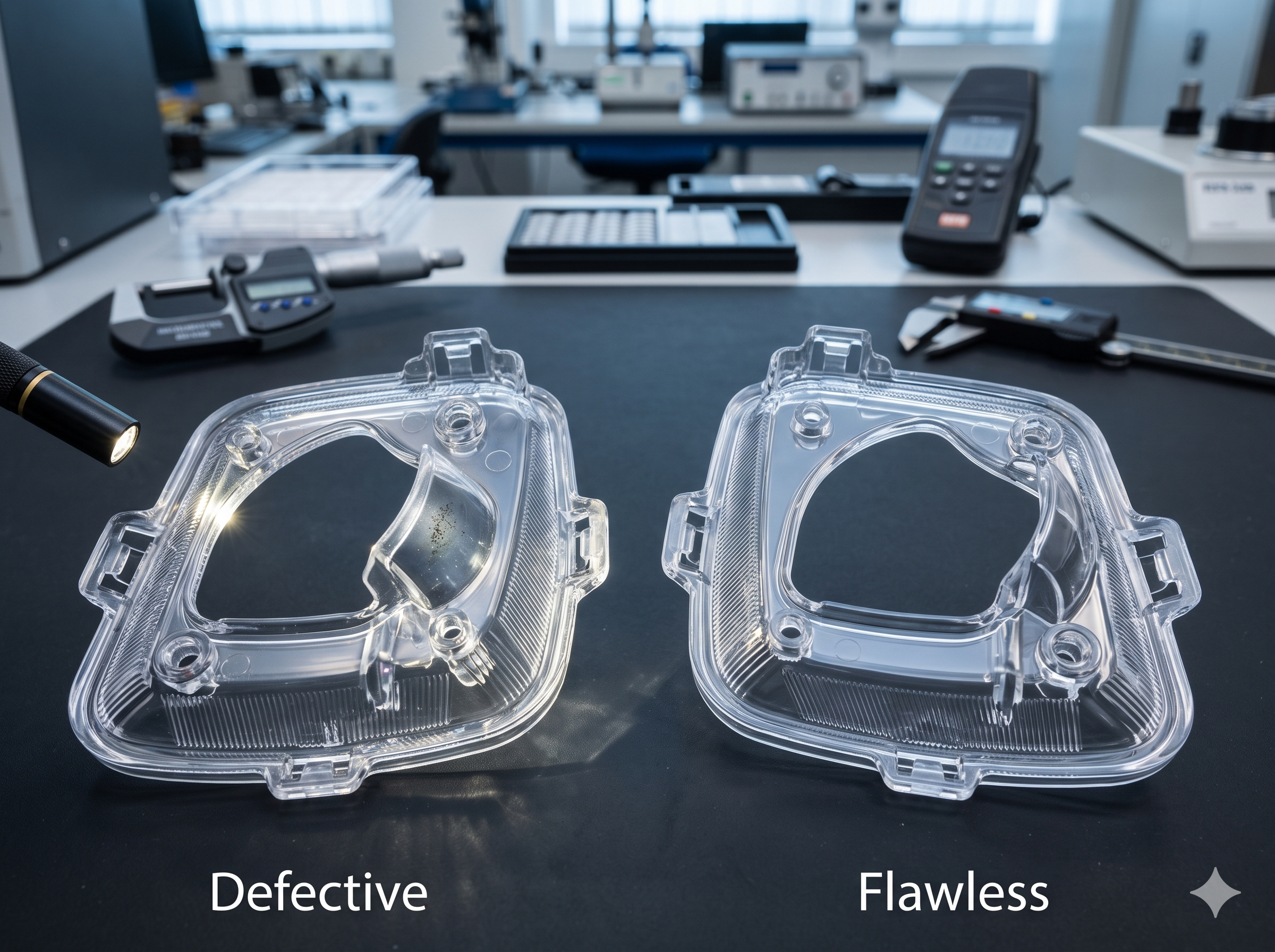
Preventing Black Specks and Degradation in High-Temp Engineering Thermoplastics
Key Takeaways
- Black specks are almost always carbonized polymer formed in dead spots, overheated zones or long residence times.
- Running more natural resin rarely removes carbon bonded to metal; specks return because deposits were loosened, not cleared.
- A prevention routine of purging before shutdown and at startup, correct barrel sizing and temperature verification prevents most speck problems.
- Clean Xpress Purging Compound is listed for engineering polymers and for removing black specks and contamination.
Black specks are among the most expensive defects in engineering resins. They create cosmetic rejects on appearance parts, and in optical, electrical or medical components they can cause functional failures. In most cases the speck is carbonized polymer that formed in the machine long before it reached the part.
Where Black Specks Come From
Engineering thermoplastics such as polycarbonate, polyamide, PBT, PPS and PEI process at temperatures where degradation happens quickly if material stagnates.
Mechanical causes
- Dead spots in the barrel, check ring, nozzle, hot runner manifold and adapters.
- Worn screws and check rings that create hang-up areas.
Process causes
- Long residence time, for example a large barrel running small shots.
- Excess barrel or nozzle temperature, or thermocouples that hide real melt temperature.
- Shutdowns with hot resin left in the barrel, which oxidizes and cakes onto surfaces.
Material causes
- Moisture and contamination, which accelerate degradation.
- Dirty regrind or poorly dried resin.
The carbon later breaks free in small pieces, which is why specks appear intermittently and seem random.
Why Running More Resin Does Not Solve It
Purging with the same resin rarely removes carbon bonded to the metal. Operators often run material until specks stop, then restart production, only to see the specks return an hour later.
How a Purging Compound Helps
A purging compound formulated to clean can lift carbonized deposits and degraded polymer off surfaces where natural resin cannot. Clean Xpress is designed to remove black specks and contamination and is listed for engineering polymers, injection molding and compounding. It is described as thermally stable; confirm the grade and temperature window for your resin in the datasheet. Heavily affected systems may need several cycles with a short soak between them.
A Prevention Routine That Works
- Purge before shutdowns. Clear the engineering resin from the barrel before lowering temperatures.
- Purge on startup. Remove any material that sat during downtime before it reaches the mold.
- Match barrel size to shot size to limit residence time.
- Verify real melt temperature with a probe and compare it with the set point.
- Dry resin properly and keep regrind clean.
- Replace worn parts such as check rings, screws and nozzles on a schedule.
- Schedule deep cleaning of hot runners and dies rather than waiting for defects.
Track the Results
Log black-speck rejects per shift, along with purge events and process changes. Patterns usually appear quickly, for example specks after long weekends or on one particular tool.
Request the Datasheet
Open the Clean Xpress Purging Compound page and use "View Datasheet" to download the technical datasheet. Share your resin grade, processing temperature and machine size with our team and we will suggest a purging approach for your next shutdown.
