 CALL US: +91-8657407598


Micronized Polyethylene Wax in Inks and Industrial Coatings: Rub Resistance and Gloss Control
Key Takeaways
- Micronized PE wax migrates to the surface and forms a low-friction layer that protects against rub, scuff and blocking.
- Particle size is the key lever: finer gives smooth feel and less gloss impact; coarser gives stronger matting and slip.
- Typical dosage is about 0.5-3% of the formulation; too much lowers gloss, hurts recoatability and can cause haze.
- Viscowax waxes are listed for printing inks, paints, lacquers, varnishes, paper coating and powder coating.
A finished print or coating is judged on how it survives handling. Scuffing, marring and blocking in stacks can ruin an otherwise good surface. Micronized polyethylene wax is one of the simplest and most economical ways to protect it.
How Micronized PE Wax Works
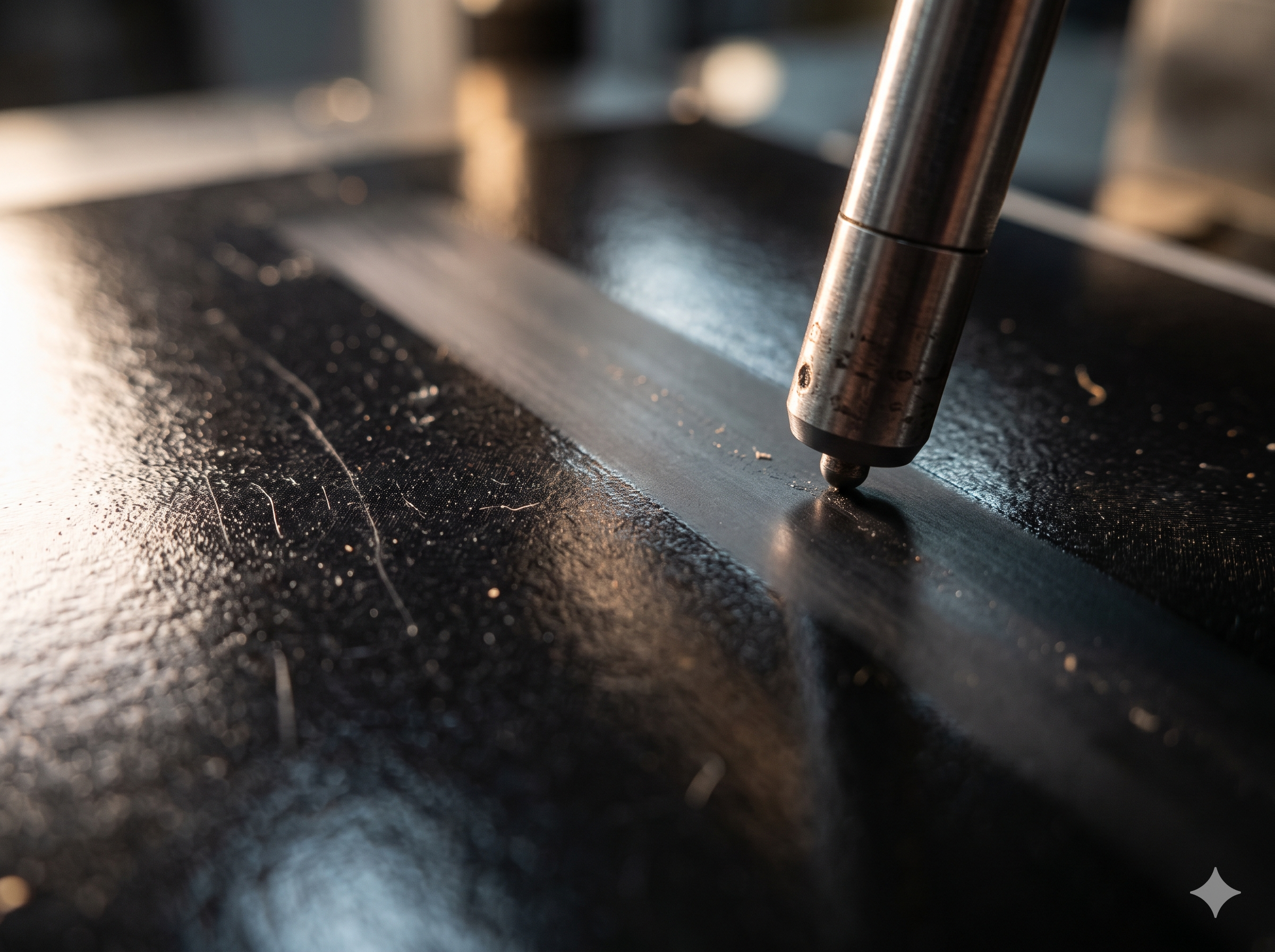
Fine wax particles migrate toward the surface during drying or curing and form a thin, low-friction layer. A rubbing finger or neighboring sheet then slides over the surface instead of damaging it. Particles that protrude slightly also scatter light, which reduces gloss.
What You Gain
- Rub and scuff resistance during transit and stacking.
- Slip and anti-blocking for cleaner separation of sheets and rolls.
- Gloss control through a matting effect that grows with dose and particle size.
- Water repellence with a modest improvement in moisture resistance.
- Texture, a smooth, slightly dry feel valued in packaging and industrial finishes.
Choosing Particle Size
Finer grades give smooth surfaces and good rub protection with less impact on gloss. Coarser grades give stronger matting and slip but can feel gritty and affect clarity. As a rule, relate wax size to dry film thickness: particles much larger than the film will stick out and cause visible defects. Median sizes for these products typically run from a few microns to around ten.
Dosage and Incorporation
Typical dosage lies between about 0.5 and 3 percent on total formulation, depending on the system and target performance.
Where to add the wax
- Grind stage: disperses well, but heavy shear can raise viscosity.
- Let-down stage with moderate mixing: commonly preferred; add under good agitation.
- Pre-dispersed pastes or slurries: ideal where mixing capability is limited.
Avoid heating above the wax melting range during dispersion; melted wax can recrystallize into larger particles and lose its effect.
Watch-Outs
- Too much wax lowers gloss, dulls colors and can hinder overprinting or recoating.
- Wax can cause haze, foaming or flotation in some systems, so test stability.
- Solvent-borne, water-borne and UV systems need different wetting and compatibility, so choose grades for your technology.
- Check adhesion on the intended substrate; heavy slip layers may reduce it.
How to Test Performance
Use standard rub testers, coefficient of friction measurements, gloss meters at relevant angles and blocking tests under temperature and pressure. Compare against your current formulation to quantify the improvement.
Viscowax for Inks and Coatings
Viscowax from Innospec Leuna, Germany lists coatings applications including printing inks, paints, lacquers, varnishes, paper coating, powder coating and corrosion protection. Particle size and form vary by grade, so ask our team about the right grade and particle size for your system.
Get the Viscowax Datasheet
Visit the Viscowax page and use "View Datasheet" to download the technical data. Tell us your ink or coating system, target gloss and performance problem, and we will recommend suitable wax grades and a starting dosage.
